Every person forgets things at times. Many times you keep your car keys somewhere and then try hard remembering it. Or sometimes you forget the name of a person you just met.
Memory loss also called dementia is very common. Everyone’s memory can disappoint them at one time or another. In 2021, 57 million people had dementia worldwide.
Have you ever:
- Failed to get that one thing you actually went to the market to buy;
- Forgotten your new mobile phone number at work;
- Missed someone’s birthday for whom you already bought a card;
- Forgotten where you parked your car or bike at the mall;
- Missed appointment with your doctor, or forgotten to take the 8 pm dose of medication?
Don’t feel extremely bad – you are not alone.
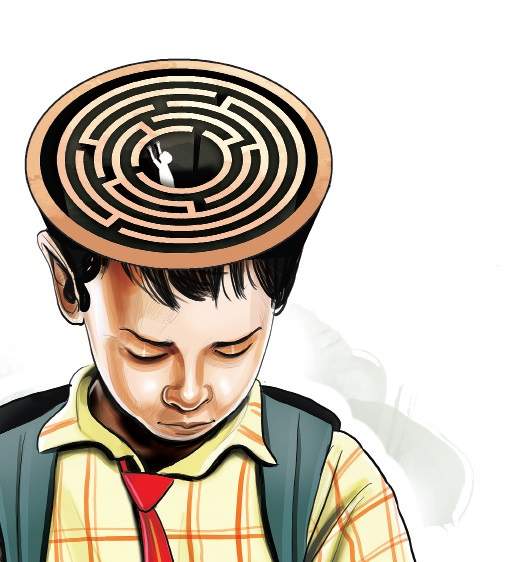
7 Memory Loss Reasons
There are some of the common things that can affect memory loss:
1. Medications
Many prescription and over the counter medications can interfere with or cause loss of memory. Medicines like – Antidepressants, antihistamines, anti-anxiety pills, muscle-resting medicines, sleeping pills, and pain medicines that given after operation. can cause short term memory loss.
2. Alcohol & Drug Use
Uses of alcohol, tobacco, or drug are also very harmful. Excessive alcohol use has long been identified as a problem of memory loss.
Smoking hurts memory by reducing the amount of oxygen that goes to the brain. Many studies have confirmed that people who smoke find it more difficult to put faces with names than nonsmokers.
Drugs can develop chemicals in the brain that can make it difficult to recall memories.
3. Sleep deprivation
Both good quantity and quality of sleep are essential for your memory. Getting too little sleep or waking frequently in the night can lead to tiredness, which interferes with the capability to consolidate and retrieve information.
4. Depression and stress
Being depressed can make it tough to give attention and focus, which can affect your memory power. Stress and anxiety can also get into the way of concentration.
When you are very tense and your mind is overstimulated or distracted, your energy to remember anything can suffer. Stress due to emotional trauma can also lead to memory loss.
5. Nutritional deficiency
Good nutrition including high-quality proteins and fats is very important for the brain to function properly. Lack of vitamin B1 and B12 specifically can affect your memory capacity.
6. Head injury
A critical hit to the head from a fall or by the car or bike accident can damage the brain and cause both short- and long-term memory loss. However, in this case, the memory may slowly improve over time.
7. Stroke
A stroke occurs driven the blood supply to the brain is discontinued due to the blockage of a blood vessel to the brain or leakage of a vessel into the brain.
Strokes usually cause short-term memory loss. A person who has had a stroke may have strong memories of childhood events but be incapable to remember what he or she had for lunch.
What is short term memory loss
Short-term memory loss is a condition that occurs when a person is unable to remember recent events or information. For instance, you may forget a person’s name when you meet them at a party. Normally, our brain processes information and then determines what to remember and what to forget. When short-term memory is affected, this process is disrupted. It can be caused by various factors, such as stress, lack of sleep, old age, head injuries, and various medical conditions. Most people experience short-term memory loss from time to time, especially when they are busy or stressed. However, it is important to seek medical attention when it occurs frequently or when it worsens with time.
When to see your doctor

If you are concerned about memory loss, consult your doctor. There are many tests to determine the level of memory impairment and diagnose the problem.
Your doctor will ask you several questions, to get to the bottom of the cause. It is always best to be true to your doctor. Do not hesitate to share anything with him. Because the thing that you are keeping to yourself might actually be the real cause.
It is good to have a family member or friend along to respond to some questions based on observations.
Questions might include:
- When did your memory problems start?
- What medications, including prescription drugs, over-the-counter drugs, and dietary supplements, do you use and in what doses?
- Did you recently started taking any new medicines?
- What tasks do you find stressful?
- Are you trying anything to cope up with your memory?
- How much alcohol do you drink in a day/week?
- Have you recently been in an accident, fallen or hurt your head?
- Have you recently been infected or hospitalized?
- Do you feel unhappy, depressed or anxious?
- Have you freshly had a major loss, a major change or stressful situation in your life?
If you are going through these things then you must contact to any good psychiatrist to get a diagnosis and proper care and most importantly keep yourself relaxed.