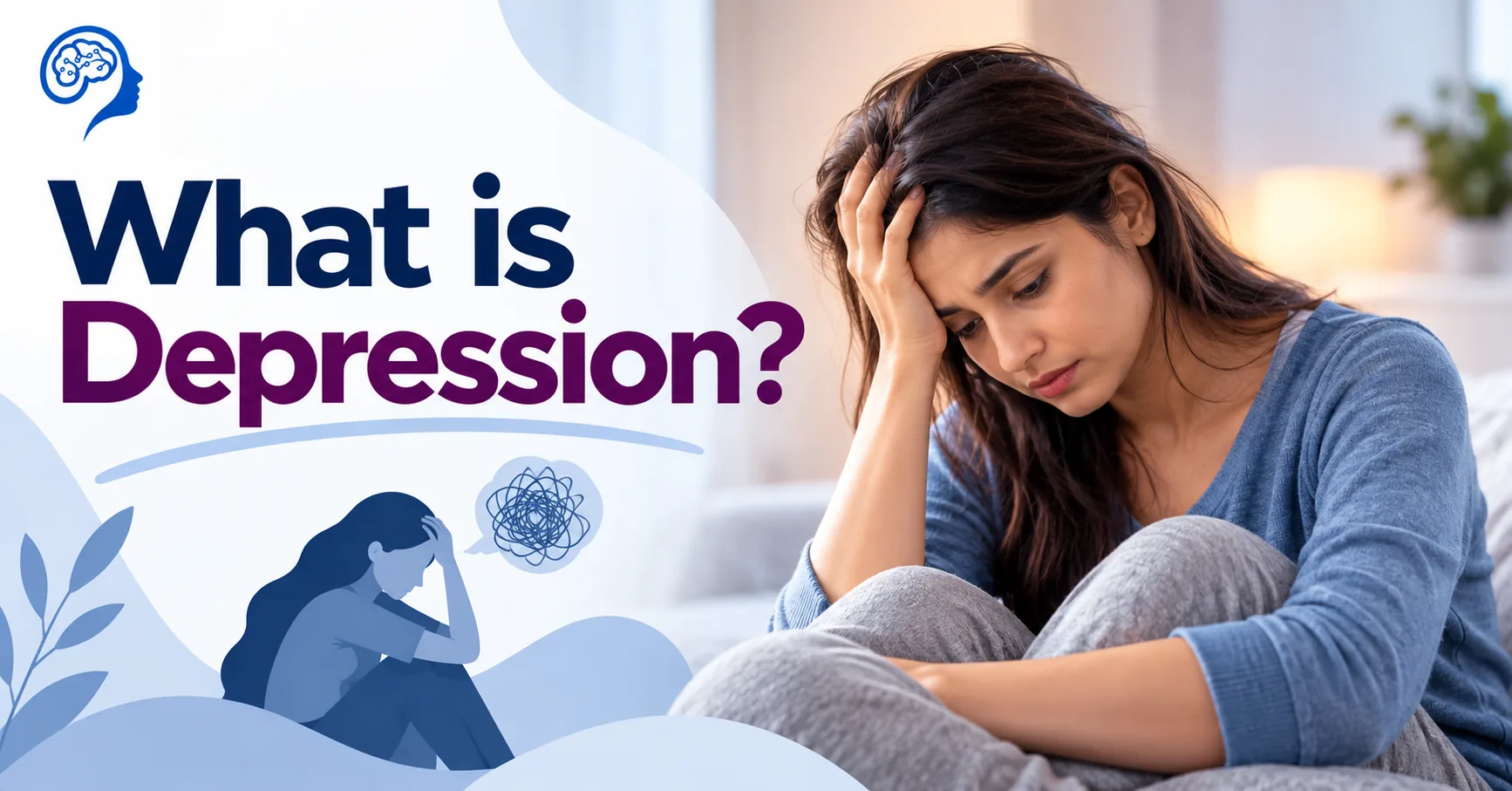
You are having dinner with your family members and there is laughter everywhere. But despite this you feel no emotions even though you are smiling along. The very next day the same emptiness arises and remains for many days after that.
If what happened above is something that you have been going through then you should know that this is not about weakness and being lazy. This might be depression and there are ways to cure it.
What is depression?
Depression is a common illness that is defined by low mood or loss of interest for more than two weeks. It impacts your thoughts, feelings, behavior, sleep and appetite. Therapy and medications are the common way of treating depression.
It is normal to have low moods after a bad day or losing something. However, depression is different because the feelings do not disappear even if there are positive things happening in your life. Sometimes you may have difficulties functioning or studying. You can also learn more about the importance of mental health and how it affects everyday life.
What are the signs and symptoms of depression?
The common symptoms associated with this disorder include constant feeling of sadness and loss of interest in engaging in any activity. The other symptoms include fatigue and insomnia, changes in appetite and inability to concentrate.
- Sadness or emptiness through most of the day
- Reduced interest in previously enjoyable activities
- Feeling fatigued and exhausted despite getting enough rest
- Excessive sleeping or not being able to sleep at all
- Reduced or increased appetite and weight loss or gain
- Inability to focus and concentrate
- Feeling of worthlessness and guilt
- Anger for minor issues
- Physical aches and pains and headaches without any reason
- Isolating oneself from others
For additional information about symptoms, see the NHS guide to depression symptoms.
Causes of depression
There is no single cause of depression. Depression typically develops from a combination of factors including brain chemistry, family history and chronic stress. Major life events such as the death of a loved one, loss of job and health problems can trigger depression.
- Family history of depression
- Chronic stress related to work, money or studies
- Death of a loved one or separation
- Feeling lonely or isolated
- Physical illness such as hypothyroidism and chronic pain
- Use of alcohol or drugs
- Changes in hormone levels due to child birth also called post-partum depression
Stress and anxiety can also affect emotional well-being. Learn more about how to overcome anxiety and fear.
How is depression diagnosed?
Depression is diagnosed by a doctor through an interview on the basis of your symptoms and the circumstances of your everyday life. There is no test for diagnosing depression. The doctor determines if the mood has been low for at least two weeks and excludes other diseases.
People think a report would prove depression. But actually the crucial thing is an honest talk with the doctor. Then there might be some additional tests ordered to exclude other possible conditions.
What happens during a depression check up?
The psychiatrist will ask about the mood, the sleep, the appetite, the energy level. He will also find out how long you have experienced the symptoms and what impact they have on your professional and personal life. Some doctors use a questionnaire to find out the severity of the symptoms.
- Talk about your symptoms. Let the doctor know how you feel and for how long.
- Questions about your life. The doctor will question you about the presence of stress, the family, some loss or change in your life.
- Family history. The patient is questioned whether there was anybody from his family with depression.
- Questionnaire. This simple questionnaire gives the degree of depression severity.
- Questions about self harm. The doctor asks gently about your thoughts on self harm or if you have any thoughts lately. It is a routine question and it keeps you safe.
Which tests are done to check for depression?
Tests cannot help determine depression in isolation. Tests like blood tests may be done to rule out illnesses which mimic depression such as hypothyroidism, B12 vitamin deficiency, vitamin D deficiency, or anaemia. The final diagnosis will depend on the symptoms exhibited.
- Thyroid test
- Complete blood count
- Levels of B12 and vitamin D
- Blood sugar test
How do the doctors know it is depression and not just a phase?
The duration of symptoms and their severity are evaluated by doctors. If one exhibits low mood or loss of interest in activities for two weeks or more accompanied by other symptoms like insomnia and fatigue, then he or she may have depression. A phase does not last longer than a few days.
Online tests can give a preliminary indication of depression but they cannot confirm depression. A specialist will do so following a thorough examination.
Is depression a sign of weakness?
NO! Depression is a disease and not a result of any form of weakness or lack of willpower. It causes changes in the brain chemistry and is affected by genetics and stress.
There are many myths about depression that discourage people from seeking treatment. They include that positivity is enough, depression can be overcome by simply thinking of good things. Also, some people think that antidepressant drugs are addictive. These drugs aren’t addictive if they are used according to doctors’ instructions.
For more information, explore common myths and facts about depression.
How is depression treated?
Depression can be treated using psychotherapy, antidepressants or a combination of both. Life changes such as proper sleeping patterns and physical activity aid in treatment. The choice of methods of treatment is depending on the severity of depression.
- Psychotherapy helps understand the patient’s thought process and overcome behaviors and thinking that causes depression.
- Antidepressant medicines correct brain chemistry levels and it takes a couple of weeks to show results
- Life style changes such as sleep patterns, healthy nutrition and physical activities help recover from depression
- Family support eases recovery process
What can I do at home to feel better?
A few simple habits can alleviate depression. They are having a routine, a daily walk, proper sleep, and sharing your feelings with someone you trust. The above strategies should be used in addition to medical help rather than as an alternative.
- Share your feelings with someone you trust. Choose one person and share everything you feel. Once done, it will be easier.
- Maintain a routine. Wake up, eat, and sleep at the same hours.
- Go for a daily walk for 15 to 20 minutes. Spend some time in the morning sunlight and then walk slowly.
- Improve your sleep. Put down your phone one hour before bedtime and go to sleep at the same time every night.
- Do one small thing every day. It can be anything like making your bed or taking a bath. Once done, you will feel like you made some progress.
- Avoid alcohol because it may relieve depression for some time but then makes your condition worse.
You can find more practical suggestions in these mental health tips.
When should I see a doctor for depression?
Consult a physician if your low mood persists for more than two weeks or affects your work, sleep, and relationships. Seek help immediately if you have suicidal thoughts.
- Speak to someone close. Choose someone you trust and let him know how you feel.
- Create a routine for yourself. Get up at the same time every day and go to bed at the same time every day.
- Go walking for 15-20 minutes. Go into the sunlight early in the morning and walk slowly.
- Get some sleep. Put away your phone an hour before going to bed and try to get the same amount of sleep every day.
- Do some small things every day. They might be as simple as making your bed or taking a shower. You will feel like you’ve accomplished something when you do them.
- Don’t drink. It might help for a moment, but after that it only makes you feel worse.
When should I see a doctor for depression?
Consult a doctor if you experience a low mood for more than two weeks or it affects your work, sleep, and interpersonal relationships. Seek immediate help if you want to harm yourself. The earlier treatment starts, the better it is.
If you ever think of ending your life, seek professional help immediately or visit the closest hospital.
Where can I get depression treatment in Jaipur?
Doctor Sanjay Jain provides treatment for depression in Jaipur at their clinic situated at Keshav Vihar, Gopalpura Bypass Road, Jaipur. The Doctor has qualifications in MD psychiatry from SMS Medical College. The clinic opens Monday through Saturday from 9.30 am to 4.00 pm. You can dial +91 9509029702 to book your appointment.
At first, you shall have an uninterrupted talk to discuss how you feel. Afterward, the Doctor explains everything and recommends talking treatments or medicines if necessary.
Duration of Depression Treatment
In most cases, patients start feeling better only in a matter of few weeks when they have started taking medication. Complete treatment takes a few months. Medications must not be stopped without the consent of the physician even if you feel alright.
For evidence-based information about depression treatment, see the National Institute of Mental Health’s depression guide.
Conclusion
Depression can make a person believe that nothing would ever change. However, such feelings belong to illness itself. There are many people who have once been like you and now live ordinary happy life. Make the first step by contacting someone and we shall help you make the next one.